The Experience
Hover to explore
 Home
Home Vista Generation
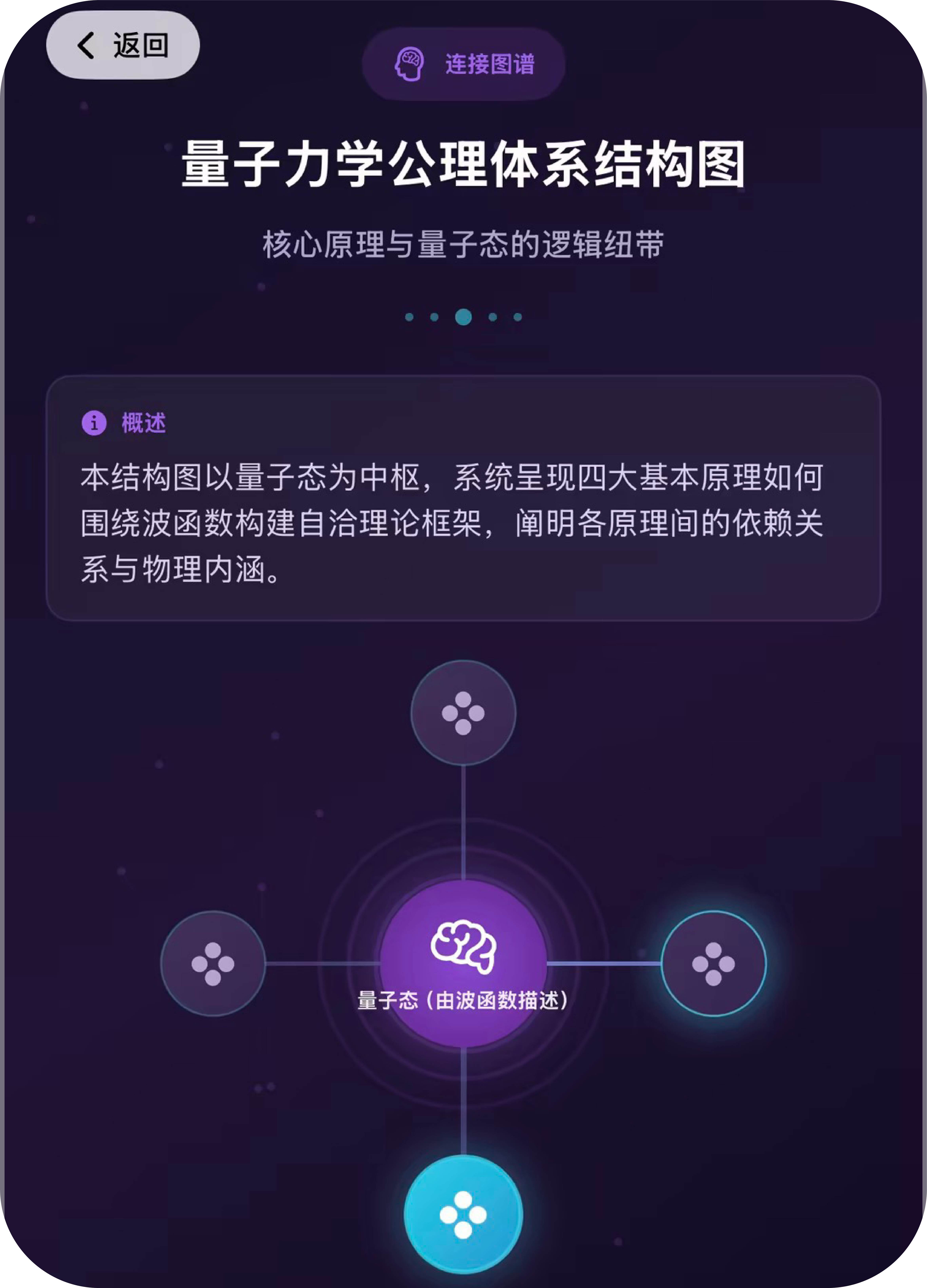 Learn Modules
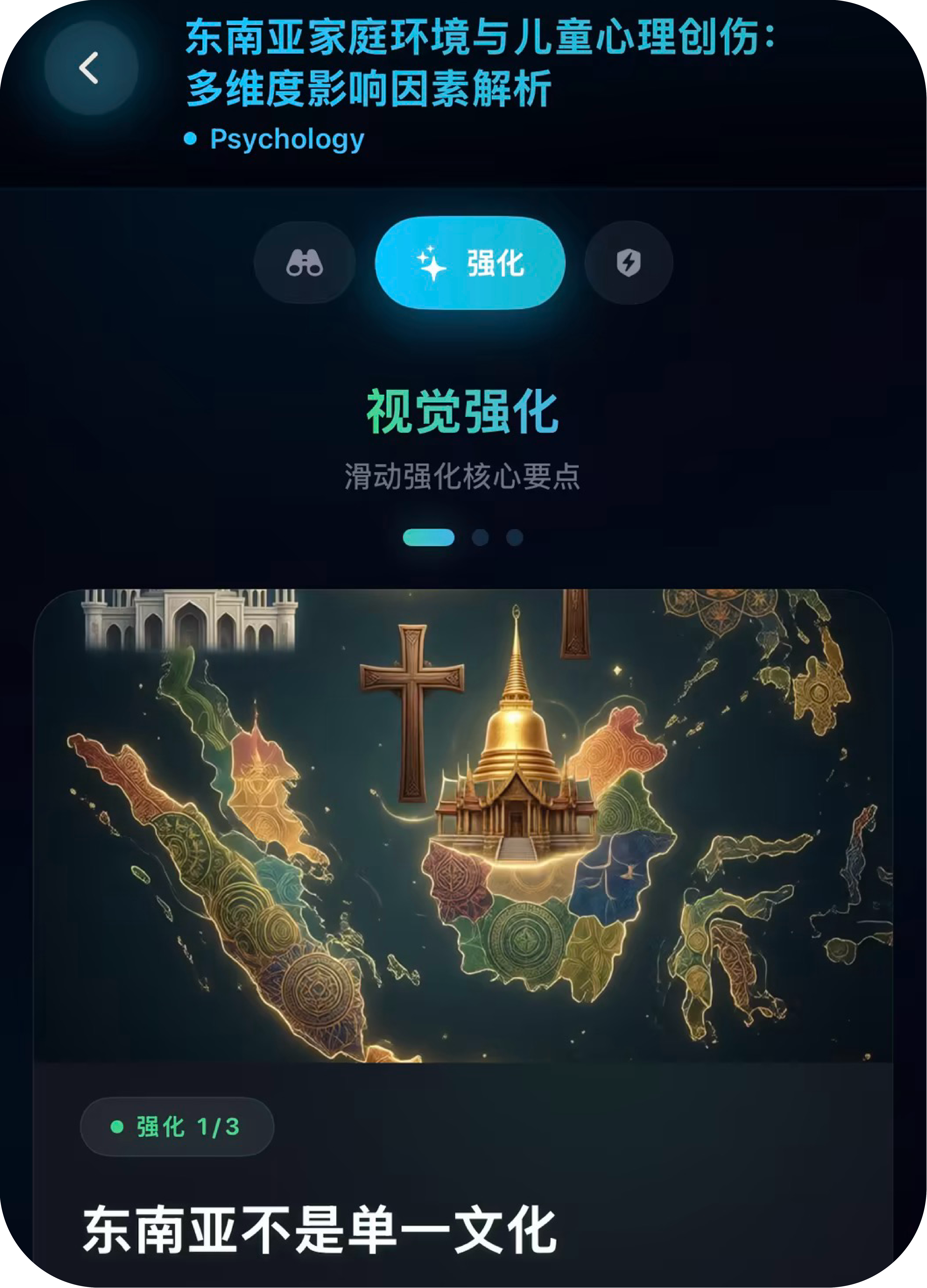 Visual Block
 Challenges
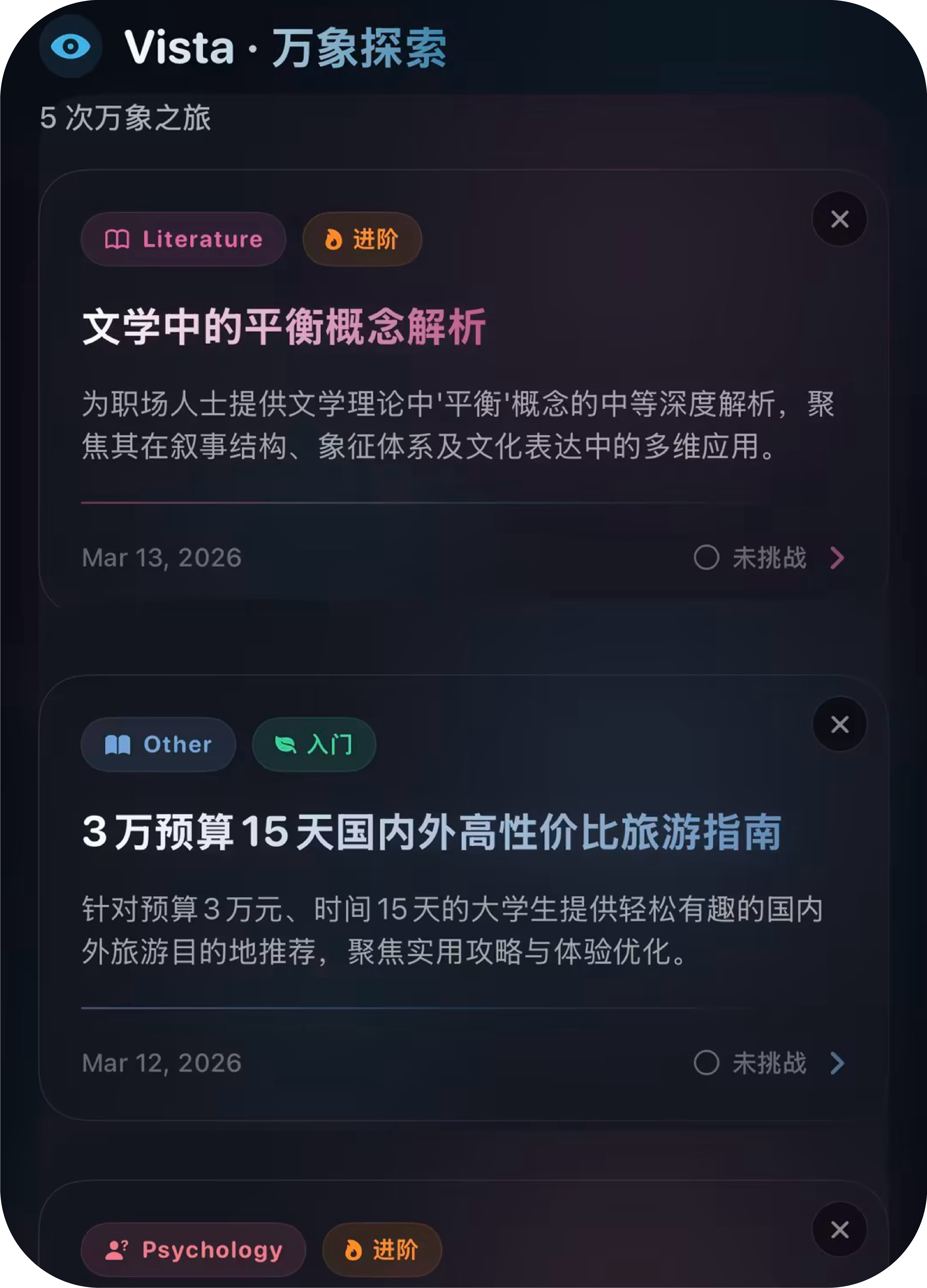 Gallery
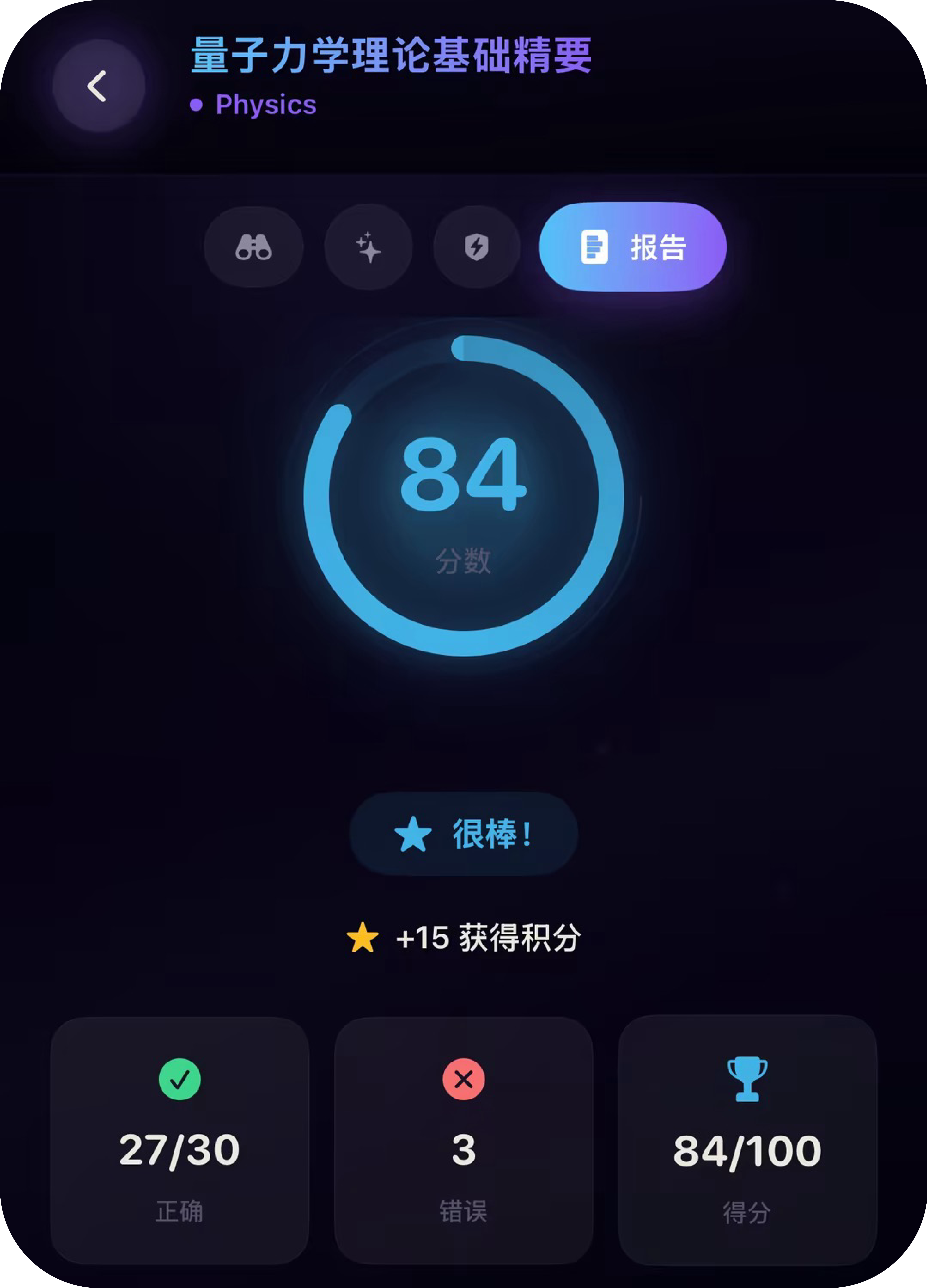 Reports
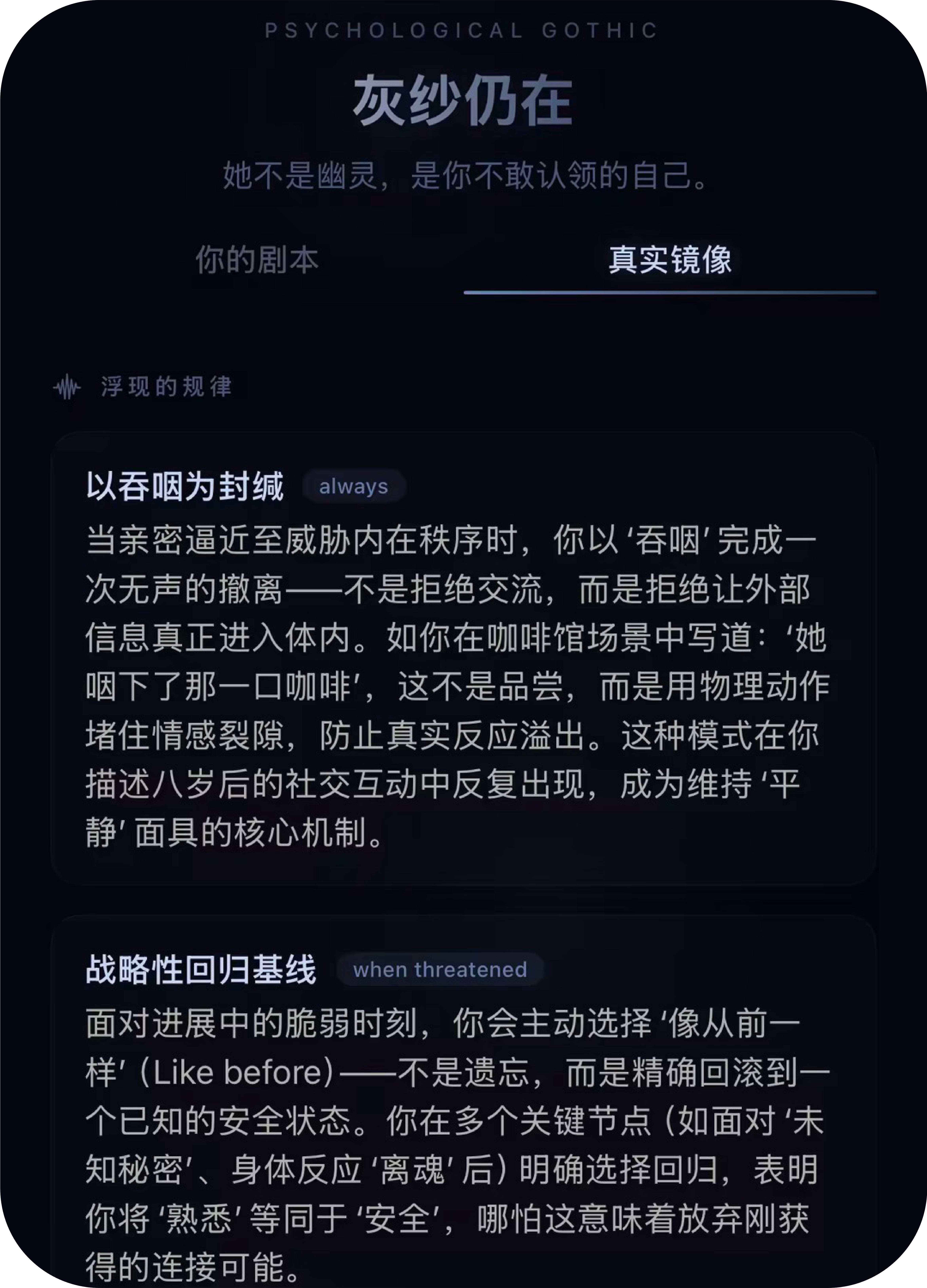 Reflection
In a world that rewards the surface,
most limit what they allow themselves to discover
— and never stop long enough to understand who they truly are.
HomeVista GenerationLearn ModulesVisual BlockChallengesGalleryReportsReflectionYou want to know something. Really know it — not skim, not summarize, not forget it by tomorrow. LENS takes whatever lives in your curiosity and gives it back structured, visual, alive. Then challenges you to prove it's yours.
LENS asks the questions no one else will. Through unsent letters, split mirrors, and conversations that reach the parts you hide — it builds a portrait of who you are. Not who you perform. Who you are.
You arrive with a question. LENS asks who you are, what you want to explore, how deep you want to go. Three steps. Then the AI takes over — and builds you a journey of illumination that doesn't exist anywhere else.
Pick your explorer identity. Describe the topic in your own words. Set depth and tone. Raw intent — nothing more.
Your words become a blueprint. LENS reads between the lines, finds the shape of what you need — and conjures something whole, luminous, and entirely yours.
Knowledge that breathes, images that anchor memory, challenges that reveal your depth — and a report that maps every facet of who you became.
You already know the answer. You're just afraid to hear it out loud. LENS holds the mirror steady — and walks you through four phases of questions designed not to test you, but to find you.
"Be honest. Be yourself. Here, you are safe."
When I was younger, learning something deeply was rarely simple.
You start with a small curiosity. Then you search for fragments — articles, forums, books, opinions. You sift through noise, bias, half-truths, and contradictions. Eventually you build an understanding, piece by piece, mostly by intuition.
It always felt strangely inefficient.
Not the get-to-know itself — the path to it.
Later, when I began teaching myself programming, the pattern became clearer. The best way to learn anything is simple in principle: first explore it, then reinforce it, and finally prove you understand it by using it.
But, you’re usually left to construct the whole structure alone.
I often imagined a system that curiosity doesn’t need to die at the very beginning, where knowing doesn’t have to suffer.
That idea eventually became Vista.
But LENS was never only about the world.
There’s another kind of curiosity that’s harder to talk about — curiosity about yourself.
I’ve always been a very structured person. I value clarity, competence, the ability to actually think critically. But there has always been a part of myself that feels harder to reach, almost like a room with the lights off.
You can circle around it through conversations, personality tests, frameworks, even therapy — but something about those interactions always changes the way you respond. You perform a little, even if you don’t mean to.
I sometimes wondered what it would feel like to explore yourself in a space where nothing needed to be performed.
Where you could simply be yourself and get to truly know yourself.
That curiosity became Reflection.
Together, they form the two lenses of this product.
One looks outward — at the world.
The other looks inward — at yourself.
Both are simply different ways of trying to understand something more deeply.
More broadly, this product represents something I believe strongly.
I want to live in a world where technology doesn’t just copy what already exists. Where products aren’t just incremental variations on the same ideas. Where innovation is driven by curiosity rather than trends.
There are countless problems worth solving and countless ways technology can expand human understanding. Yet too often we accept the status quo because it feels safe.
I’ve never been comfortable with that.
Change never happens by itself.
This is my attempt.